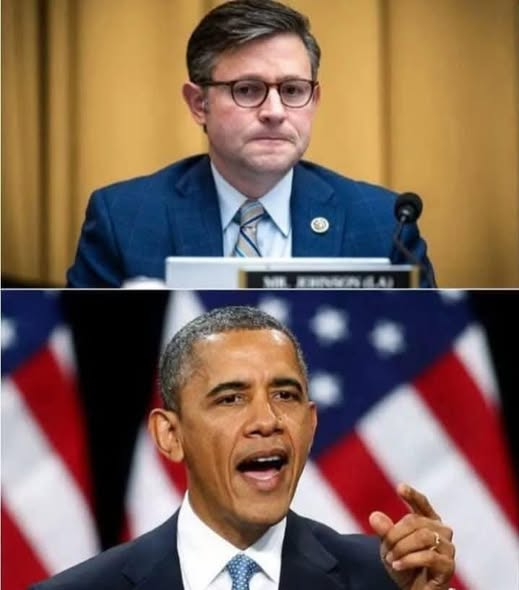
Political disagreements between public figures often generate widespread public interest, especially when they involve current leaders and former presidents. Recent discussions surrounding comments made by House Speaker Mike Johnson and former President Barack Obama have once again fueled debate across the political spectrum.
According to reports and public commentary, Johnson criticized Obama’s public statements, arguing that former presidents should be cautious when weighing in on ongoing political issues. The remarks quickly attracted attention from supporters and critics alike, sparking conversations on television, social media, and news platforms.
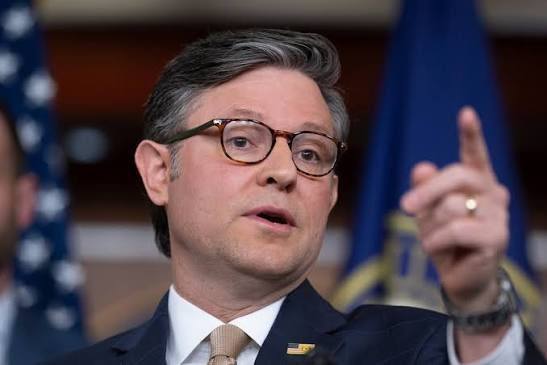
In response, Obama continued to speak about topics he believes are important to the country, including democratic values, civic participation, and public leadership. While he did not avoid discussing political issues, his public appearances focused on encouraging dialogue and citizen engagement rather than personal attacks.
The exchange reflects a broader debate over the role former presidents should play in modern politics. Some Americans believe experienced leaders have a responsibility to remain active in public discussions, while others argue that former officeholders should limit their political involvement after leaving office.
Political analysts note that disagreements between prominent national figures are not unusual and often become major talking points during periods of heightened political activity. Such moments can shape public conversation and influence how voters view both current and former leaders.
As reactions continue to emerge, many observers are encouraging people to rely on verified statements, official interviews, and credible reporting before reaching conclusions. In today’s fast-moving media environment, separating opinion from confirmed information remains an important part of informed civic engagement.
Whether viewed as a routine political disagreement or a significant moment in the national conversation, the exchange has once again highlighted the deep divisions—and ongoing debates—that continue to shape American politics.