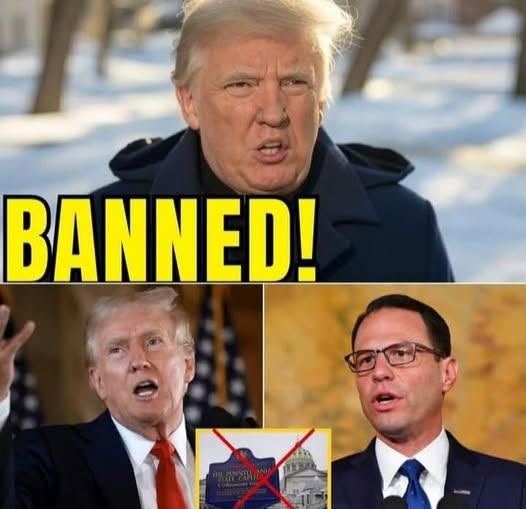
Pennsylvania has once again become one of the most closely watched states in American politics. A recent political rally attracted significant public attention, drawing supporters, critics, and media coverage from across the country. While campaign events often generate discussion, this gathering reignited conversations about leadership, policy priorities, and the direction of the upcoming election season.
Large political rallies are more than speeches—they are opportunities for candidates to connect directly with voters. Supporters attend to hear campaign messages firsthand, while opponents often use the same events to voice their disagreements. As a result, these gatherings frequently become major talking points both online and offline.
Following the rally, political leaders, commentators, and community members shared a wide range of opinions. Some praised the energy and enthusiasm displayed by attendees, while others questioned the policies and messages presented during the event. The variety of reactions highlights how deeply divided political opinions remain across the United States.
Pennsylvania continues to play an important role in national elections due to its large and diverse population. Campaigns from both major parties often invest considerable time and resources in the state, making every major appearance closely watched by political observers.
Beyond the headlines, many voters remain focused on issues that directly affect their daily lives. Topics such as the economy, job opportunities, healthcare, education, public safety, and the cost of living continue to shape conversations as election season approaches.
Political analysts suggest that campaign events like this can influence public discussion, encourage voter participation, and help candidates communicate their priorities. However, the long-term impact of any single rally often depends on how voters respond over time rather than on immediate reactions.
As the campaign season continues, Pennsylvania is expected to remain a central stage for political activity. With more events, debates, and public appearances likely in the coming months, voters will have additional opportunities to evaluate the messages and proposals presented by those seeking public office.
Regardless of political preference, informed participation and respectful discussion remain essential parts of the democratic process. The conversations sparked by events like this reflect the importance of civic engagement and the role voters play in shaping the future.