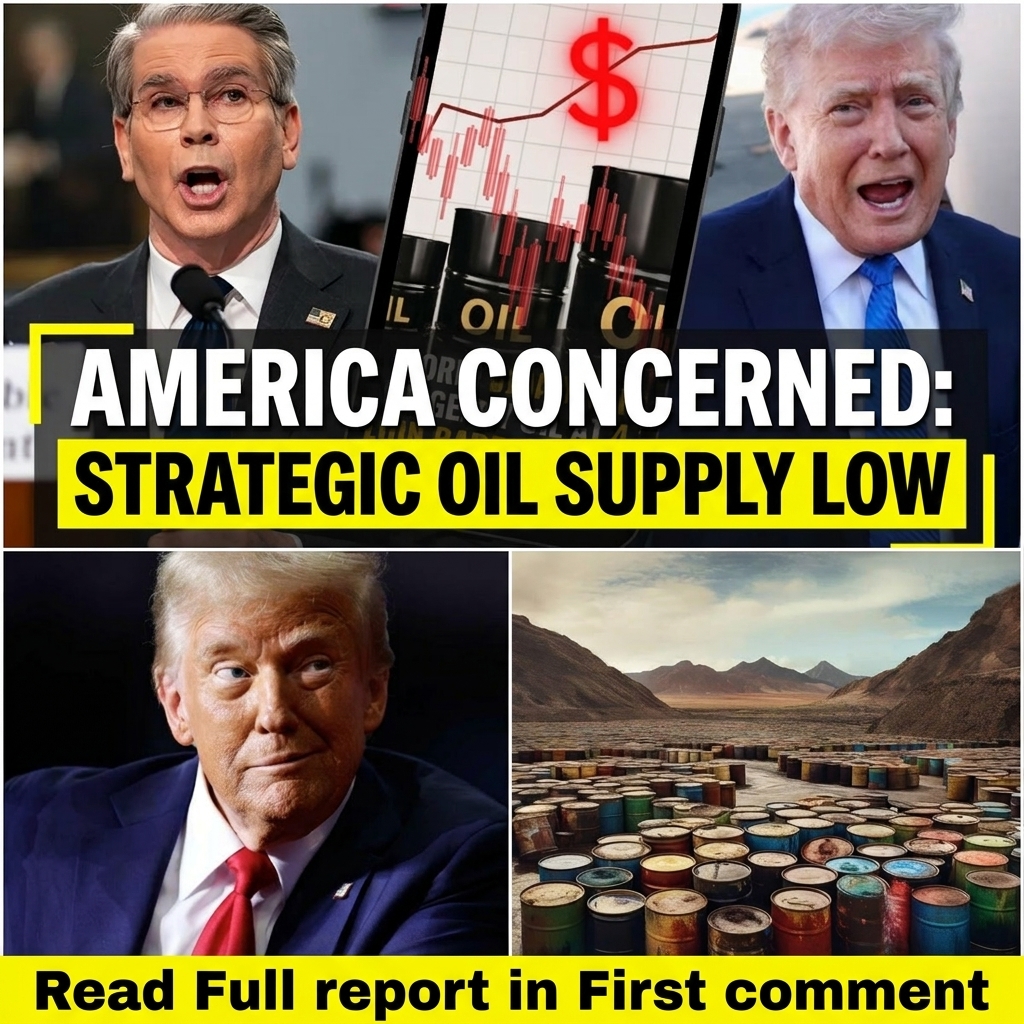
America’s Strategic Petroleum Reserve (SPR) is being depleted at a rapid pace amid the ongoing U.S. involvement in the Iran conflict, with new government data revealing massive drawdowns as gasoline prices surge past $4.50 per gallon in many regions.
Critics are accusing the Trump administration of burning through the nation’s emergency oil stockpile to mitigate political damage from the geopolitical crisis, raising alarms about long-term energy security.
SPR Levels Collapse to Historic Lows
According to recent Energy Information Administration (EIA) reports, the U.S. has released tens of millions of barrels from the SPR in recent months. The reserve has dropped to levels not seen since the early 1980s, with inventories hovering near 365 million barrels following weeks of significant withdrawals.
This comes after the administration authorized the release of up to 172 million barrels earlier this year to offset supply disruptions caused by the closure of the Strait of Hormuz. Analysts note the SPR was intended for short-term emergencies, not sustained geopolitical conflicts.
Iran War and Strait of Hormuz Crisis
The escalation stems from U.S. and Israeli military actions against Iran that began earlier in 2026, prompting Tehran to restrict shipping through the critical Strait of Hormuz — a chokepoint carrying roughly 20% of global oil supply. The resulting supply shocks have sent crude oil prices soaring, with ripple effects hitting American consumers at the pump.
Gasoline inventories, diesel supplies, and commercial crude stockpiles are all declining simultaneously, compounding concerns. National average gas prices have climbed above $4.45 per gallon amid the turmoil.
Political Comparisons Intensify
The situation has drawn sharp criticism and direct comparisons to previous administrations. During his first term and campaign, Trump repeatedly attacked President Biden for tapping the SPR, calling it reckless election-year politics. Now, opponents argue the current pace of releases — reportedly more than double Biden-era rates at points — reveals a similar strategy to shield midterm prospects.
Energy experts warn that continued drawdowns leave the U.S. vulnerable to additional shocks before the conflict resolves and the Strait reopens fully.
What Experts Are Saying
- National Security Concerns: Analysts fear the SPR’s depletion could limit options if another major disruption occurs.
- Market Impact: Oil traders and economists are monitoring tightening global supplies, with some predicting prolonged high prices even after any ceasefire.
- Administration Response: Officials maintain the releases are necessary to stabilize markets and have plans to replenish the reserve, promising to add more barrels than were withdrawn.
Supporters of the administration point to increased domestic production and efforts to negotiate an end to the conflict as evidence of proactive leadership. Critics, however, label it a self-inflicted crisis, dubbing the price spikes a “Trump war tax” on American families.
Broader Implications for Energy Security
The Strategic Petroleum Reserve, created in the 1970s after the Arab oil embargo, serves as the country’s primary emergency buffer. Its rapid depletion during active conflict has sparked intense debate about presidential decision-making, energy independence, and the true cost of foreign policy choices.
As midterm elections approach, the intersection of energy prices, the Iran conflict, and SPR levels is becoming a central political battleground.
What’s Next?
Negotiations to reopen the Strait of Hormuz and de-escalate tensions continue, with markets watching closely for any breakthroughs. The Department of Energy is expected to provide updated SPR inventory reports in the coming days.
This developing energy crisis underscores the fragile balance between geopolitical actions and domestic economic stability.