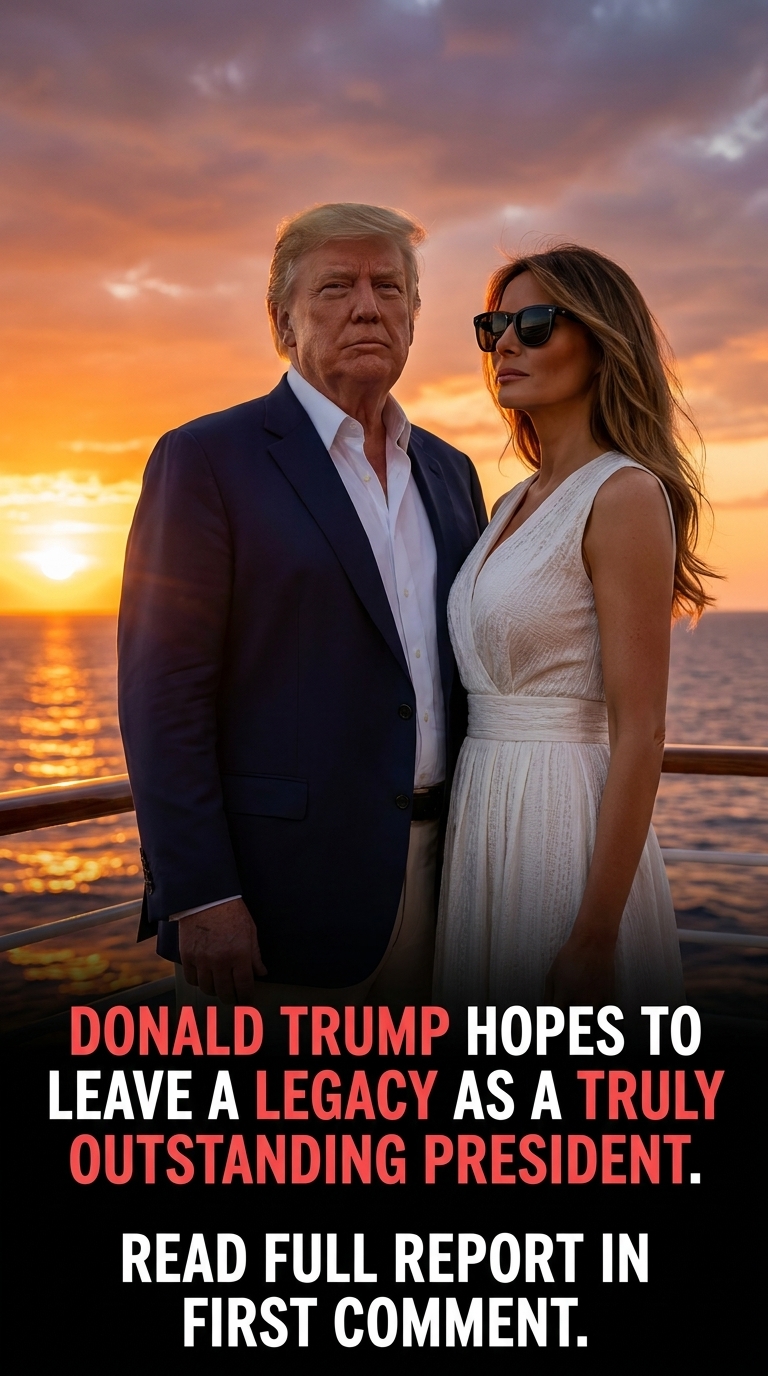
Former President and current White House occupant Donald Trump has expressed his desire to be remembered as a “truly great president,” sparking fresh conversations among historians, political analysts, and the public about how his legacy will ultimately be judged by future generations.
In recent remarks, Trump articulated his aspiration for a lasting positive place in American history, prompting renewed analysis of his two terms in office and the long-term impact of his unconventional leadership style.
Supporters Highlight Key Accomplishments
Trump’s backers point to a series of tangible achievements they believe will stand the test of time. These include:
- Strong pre-COVID economic performance, with record-low unemployment rates for multiple demographic groups
- Landmark tax reform legislation that reshaped corporate and individual taxation
- Historic judicial appointments, including three Supreme Court justices that shifted the court’s ideological balance
- Aggressive border security measures and immigration policy changes
- Brokered Middle East peace agreements through the Abraham Accords
Advocates argue these deliverables, combined with his direct communication style and focus on “America First” policies, position Trump among the more consequential modern presidents.
Critics Focus on Polarization and Controversy
Opponents, however, contend that Trump’s legacy will be complicated by deep political divisions, multiple impeachments, the January 6 Capitol events, and a leadership approach that often prioritized confrontation over consensus. Many critics argue his tenure exacerbated partisan tensions and eroded trust in institutions.
These contrasting views reflect the highly polarized nature of contemporary American politics, where assessments of Trump frequently align more with partisan identity than objective historical analysis.
Historians Note Legacies Evolve Over Time
Political historians emphasize that presidential reputations are rarely fixed at the end of a term. Examples abound of leaders whose standing improved or declined decades later:
- Harry Truman left office with low approval ratings but is now widely regarded as one of the stronger 20th-century presidents
- Dwight Eisenhower’s reputation has steadily risen as scholars better understand his behind-the-scenes governance
- Richard Nixon’s legacy remains complicated despite significant foreign policy achievements
Analysts suggest Trump’s place in history will similarly depend on how future generations interpret major events, economic outcomes, and the broader societal shifts that occurred during his time in office.
A Defining Figure in Modern Politics
Regardless of one’s perspective, Trump’s influence on the Republican Party and American political discourse remains profound. His movement has reshaped the GOP, energized a new voter base, and forced both major parties to reconsider their approaches to trade, immigration, and global engagement.
As the country moves further into the 21st century, debates about Trump’s presidency continue to serve as a lens through which Americans examine larger questions about leadership, populism, governance, and national identity.
What Historians Are Watching
Future assessments will likely focus on long-term economic effects of his policies, the durability of his judicial appointments, the evolution of U.S. foreign policy, and whether his disruptive approach strengthened or strained democratic institutions.
While Trump has made clear his hope to be remembered as a “truly great president,” the ultimate verdict remains years — if not decades — away, as new evidence emerges and cultural perspectives shift.